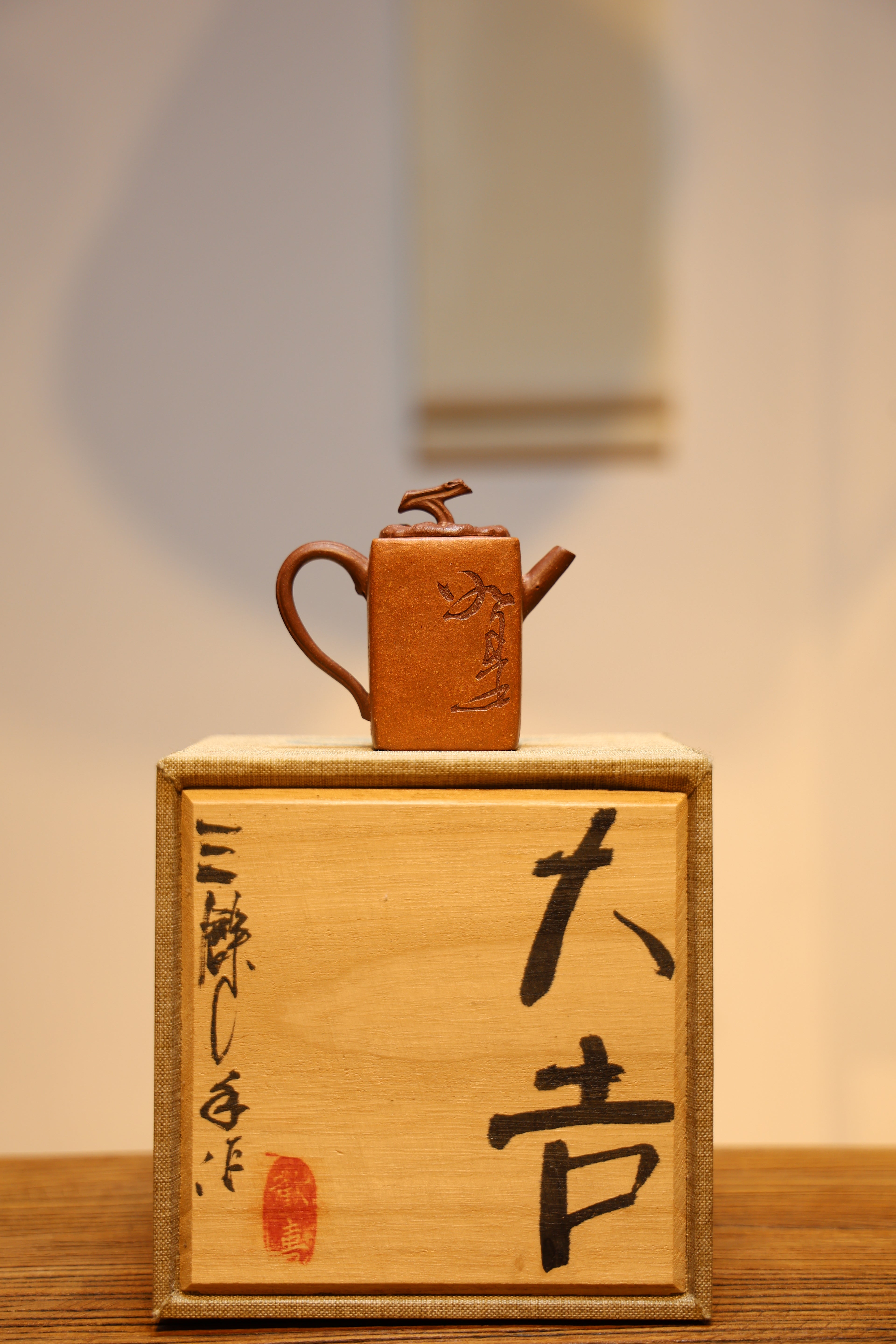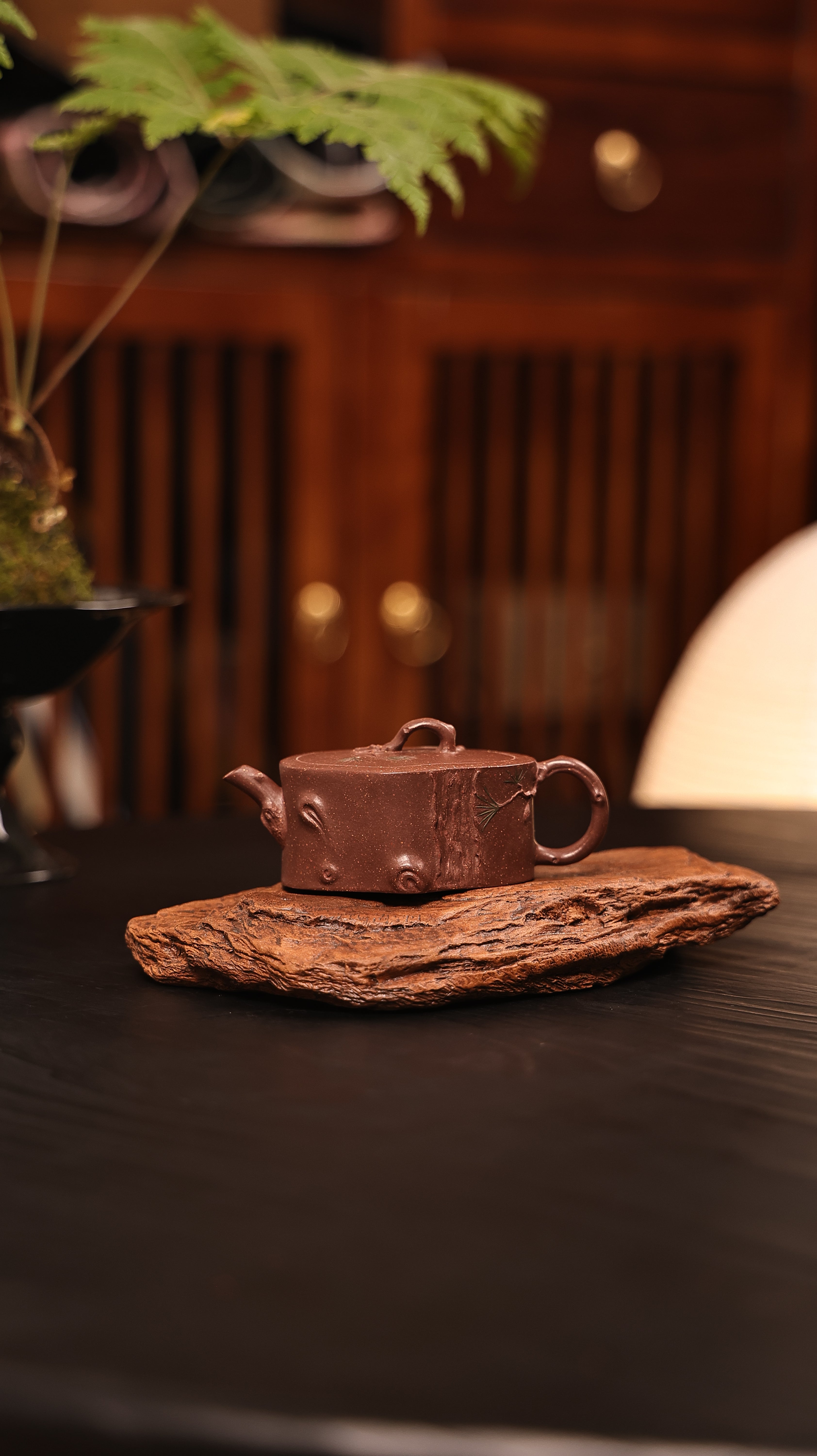
Eras in fans have long yearned the special attraction of Yixing Zisha kettles. Emerging in the cozy town of Yixing, the republic, these teapots are produced from a uncommon and mined purple clay distinguished for its unmatched thermal aspects and potency to elevate the aroma of brews. Beyond their valuable asset, Zisha teapots express a deep artistic pedigree, fashioning them greatly collectible and a genuine masterwork for any ardent teapot fan.
Understanding Yixing Pitchers
Historical teapots showcase a noteworthy synthesis of history and masterful craftsmanship. Emerging in Yixing, Jiangsu Sector of China, their narrative begins from the Ming Dynasty, although proof suggest earlier forms. The unparalleled reddish-brown clay, called Zisha, found exclusively in the Yixing region, is the fundamental component, contributing to the pots' exceptional heat sustaining and the manner they modify the flavor of tea. Successive eras of potters have refined techniques—often transmitted through families—including sculpting the clay, applying ornate embellishments, and firing the pots at precise temperatures.- Initially, Yixing teapots were often adorned with simple designs.
- Thereafter, more intricate carvings and iconographic motifs became widespread.
- The baking itself is a indispensable element, requiring extensive periods of competence.
Amassing Zisha Teapots: Important Insights
Starting a venture to collect Zisha pots can be gratifying, but it’s important to appreciate what to search for. Authenticity is critical; focus on the clay’s natural tint, a understated reddish-brown is usual. Examine the touch; genuine Zisha has a distinctive tactile sensation, often explained as slightly unequal. The form should be harmonious and consistent with established styles, while marks, if present, require meticulous examination for truthfulness. Don’t hesitate to consult with seasoned specialists or respected sources – their expertise is irreplaceable.
Renowned Teapots: Discovering the Culture of famous Ceramics
Ages have seen Yixing Zisha Clay teapots possess a notable role in Chinese civilization. These finely fashioned pots, sourced distinctively from the province of Yixing, are prominent for their distinctive color, feel, and their ability to develop the bouquet of potions. Legions of collectors acquire antique Yixing teapots, valuing them greatly not only for their aesthetic appeal, but also for the story they embody.
Yixing Zisha Teapots: Exceptional Ultimate Selections and Their Aspects
Ming Clay teapots, native to the celebrated section of Yixing, the state, are acclaimed for their exclusive clay and high-quality brewing aptitudes. Throughout the numerous Zisha types, those kinds that are highly valued include Binzhou Purple Sand. Binzhou, known for its bold purple shade and sleek texture, delivers a moderate flavor. Duan Ni form, recognizable by its rusty color and a bit grainy feel, is thought to enhance a heft. Lastly, Zhuni sort boasts an scarce scarlet tone and can impart a nice nuance. Each sort delivers a unique experience, making them distinctly desirable within drink enthusiasts.
Mastering Specific Earthenware Vessel
To unlock the virtue of your Yixing pot, grasping the correct modus operandi is indispensable. These clay vessels, celebrated for their porosity, will successively incorporate the essence of the tea you cook within them. Begin by flushing the teapot thoroughly with tepid water. Then, use only top-grade raw leaf tea, as lower quality options can degrade the vessel’s delicate nuance. Always permit the leaves to expand completely, and remember that with each preparation, your Yixing kettle will become continuously esteemed.
Preserving Your Priceless Zisha Heirloom
Proper support for your Zisha vessel is fundamental to protecting its integrity and importance. Zisha clay, respected for its unique shade and texture, requires attentive handling. Never use intense chemicals, as these can undermine the coating. After every utilization, rinse Zisha Teapot the vessel with comfortably warm water and allow it to air out completely.
- Decline soaking the teapot for extended intervals.
- At intervals use a soft rag to dress the exterior.
- Think about applying a thin layer of food-grade fat inside the jar after drying, which can reduce staining.
Introduction to Yixing Earthenware
Yixing kettles, originating from the Yixing region in Jiangsu Province, part of China, are celebrated for their distinctive aspects. Made from the unique purple ground known as Zisha, these earthenware are prized by concoction enthusiasts worldwide. This introduction will concisely explain the pillars – covering types of Zisha soil, well-liked shapes, and critical care helpful hints. Understanding the background of Yixing containers can strengthen your appreciation for this acclaimed example of Chinese heritage.
Skill of Han Pitchers: Presenting Zisha from the Yixing region
Zisha earth from the Yixing district represents the apex of Eastern jar design, featuring a distinctive mixture of organic beauty and operational artistry. These notable pieces are noted for their bold complexions, often including strong purples and copper hues to faint greys and muted beiges. The salient mineral composition of the typical Zisha clay imparts a noteworthy texture and renders a gratifying aroma that richens the comprehensive concoction experience, enabling them notably admired collectibles and indispensable components of any serious practice.