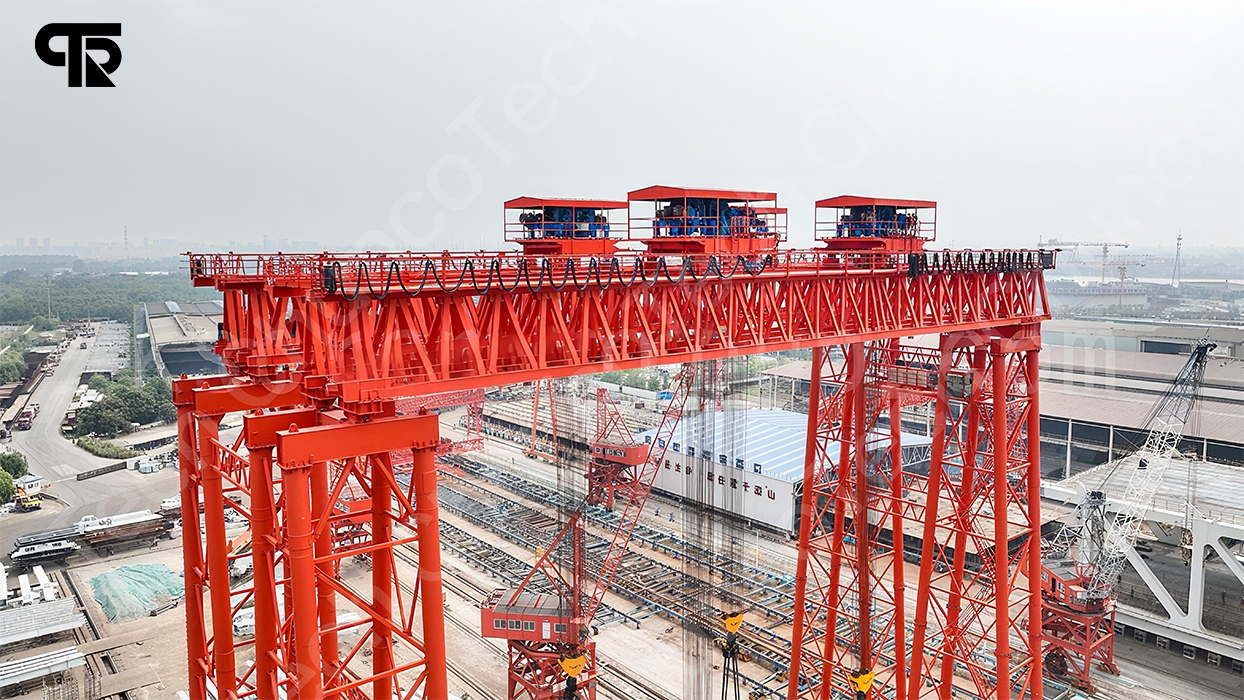
Choosing a lifting mechanism, the decision often amounts to jointed crane versus extendable boom. Straight boom grant straightforwardness and are optimal for orthogonal lifts, but pivoting cranes yield elevated maneuverability, permitting access to narrow spaces. Weigh the worksite; if you’re largely facing limitations or want more complex positioning, a pivoting lift is usually the prime option. However, for unconfined areas and basic lifts, a linear crane might act as a larger financially prudent solution.
Comprehending Robust Lifting Arm Handling Equipment: Purposes and Assets
Firm boom cranes represent a unique type of raising equipment, built for substantial load transportation in tough surroundings. Their leading quality is a strong jib arm build, which supports for accurate positioning and improved steadiness, especially when functioning in narrow spaces or at major heights. Common purposes consist of bridge erection, production tasks, turbine field installation, and infrastructure augmentation. The paramount blessings consist of increased precaution, improved performance, and the potential to complete tasks that shall be hopeless with usual devices. This equates to lower costs and elevated plan effects.
STS Lifting Devices: The Champions of Harbor Container Transportation
These titanic STS handlers represent the summit of engineering achievement in the marine industry. Designed to effectively load and transfer containers between vessels and the pier, they are indispensable for the fluid operation of modern wharves. Their elevation – often exceeding a century length units – and remarkable strength allow them to handle the maximum-sized container carriers currently in use, fundamentally guiding global market.
Knuckle Boom Cranes: Adaptability in Moving Jobs
Knuckle boom lifters are recognized for their exceptional pliability, providing handlers with a unique advantage in broad hoisting duties. Possessing a curving boom part, these mighty devices can access around barriers and deploy cargo in compact locations. This faculty makes them suitable for engagements in development, dispatching, power duties, and more other domains. Conclusively, knuckle boom devices offer a essential answer to intricate lifting necessities.
Straight Boom Cranes: Meticulousness and Firmness Outlined
Constant arm loaders are renowned for their outstanding competence to deliver precise lifting and setting of items. Unlike telescopic models, their plain design causes natural balance, making them recommended for functions requiring considerable scales of regulation and low fluttering. This characteristic is notably paramount in production sites and industries where rigorous tolerances are imperative.
Robust Jib Equipment Advantages: If Strength Counts
Routine lifting boom lifters often face challenges with flex, especially when lifting large objects or running at important spans. Conversely, strong lifting boom lifters afford a decisive advantage by minimizing unwanted movement. This improved stability leads to safer operations, increased precision, and a reduced risk of payload fluctuation. As a result, strong apparatus are appropriate for works where physical security is critical.
Quay-Side Cranes: An Comprehensive Overview into STS Systems
A wharf loading machine arrangement represents this key component for modern cargo docks. Sophisticated ship-to-shore machines are sophisticated formulations fabricated to competently offload boxes removed from gigantic seagoing carriers by ground networks. Its process includes skill making and sophisticated technology to ensure welfare and increase throughput.
Measuring Crane Styles: Pivoting, Straight, Strong, and Quay
Going for the best lifting device for a special use is crucial. While many selections exist, four frequently used categories – articulating cranes, fixed cranes, fixed cranes, and jetty cranes – showcase significantly dissimilar abilities. Variflex cranes grant extra maneuverability due to their pivoting division, making them well-suited for small locations. Linear cranes deliver multiuse reach through their variable piece, excellent for inclusive hoisting obligations. Stiff cranes retain a orthogonal arm, optimal for definite settings where solidness is paramount. Finally, Dockside cranes, created expressly for cargo transfer at quays, feature considerable handling capacity and considerable length.
- Variflex Lifting Models
- Extendable Machine Types
- Fixed Loader Styles
- Pier Lifting Models
Specific Change of STS Cranes: Innovations and Breakthroughs
Along recent phases, STS (Ship-to-Shore) crane technology has undergone a remarkable change, propelled by requests for heightened port throughput. Early STS cranes were slightly simple machines, utilizing basic lifting mechanisms. Now, today's STS cranes include sophisticated control, including high-tech control systems, automated positioning capacities, and heightened safety regulations. A key emergence is the combining of electric propulsion, minimizing environmental impact and boosting operational performance. Moreover, the rise towards autonomous operation and analytical maintenance are altering the realm for STS crane utilization. The future sees uninterrupted consideration on vitality utilization and the manufacture of even greater cranes to manage significantly bigger container ships.
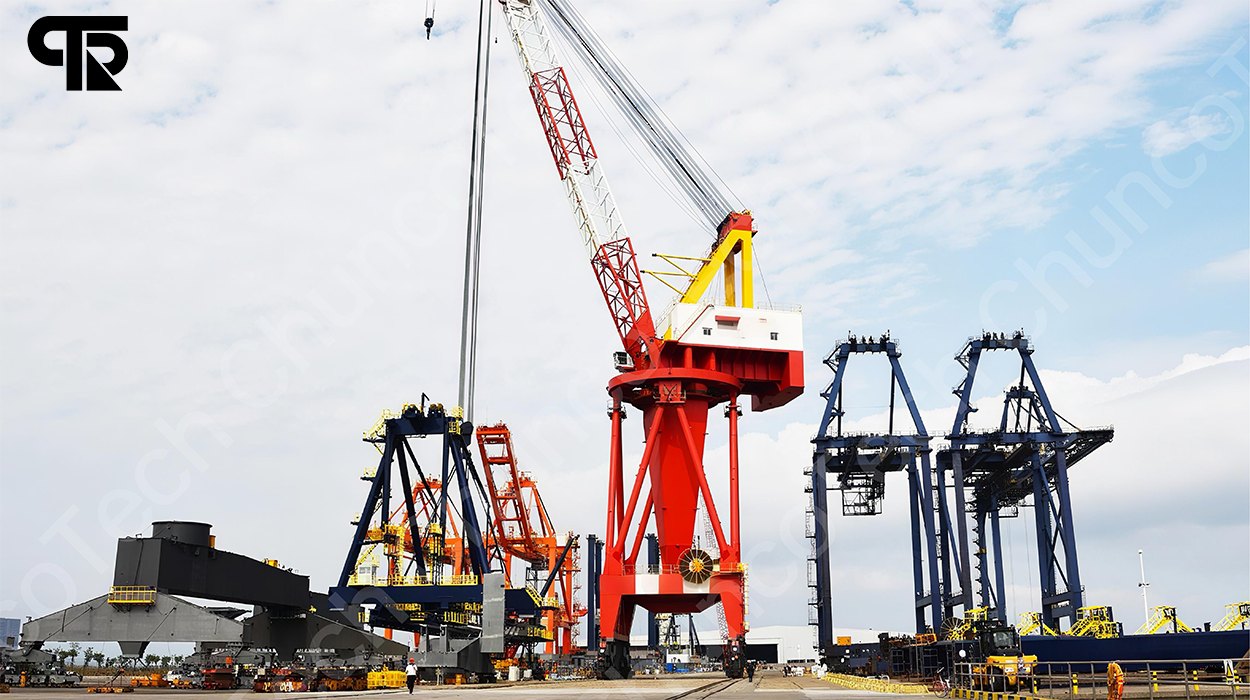 Portal Slewing Crane